
Glutathione
Major antioxidant tripeptide, produced by every cell
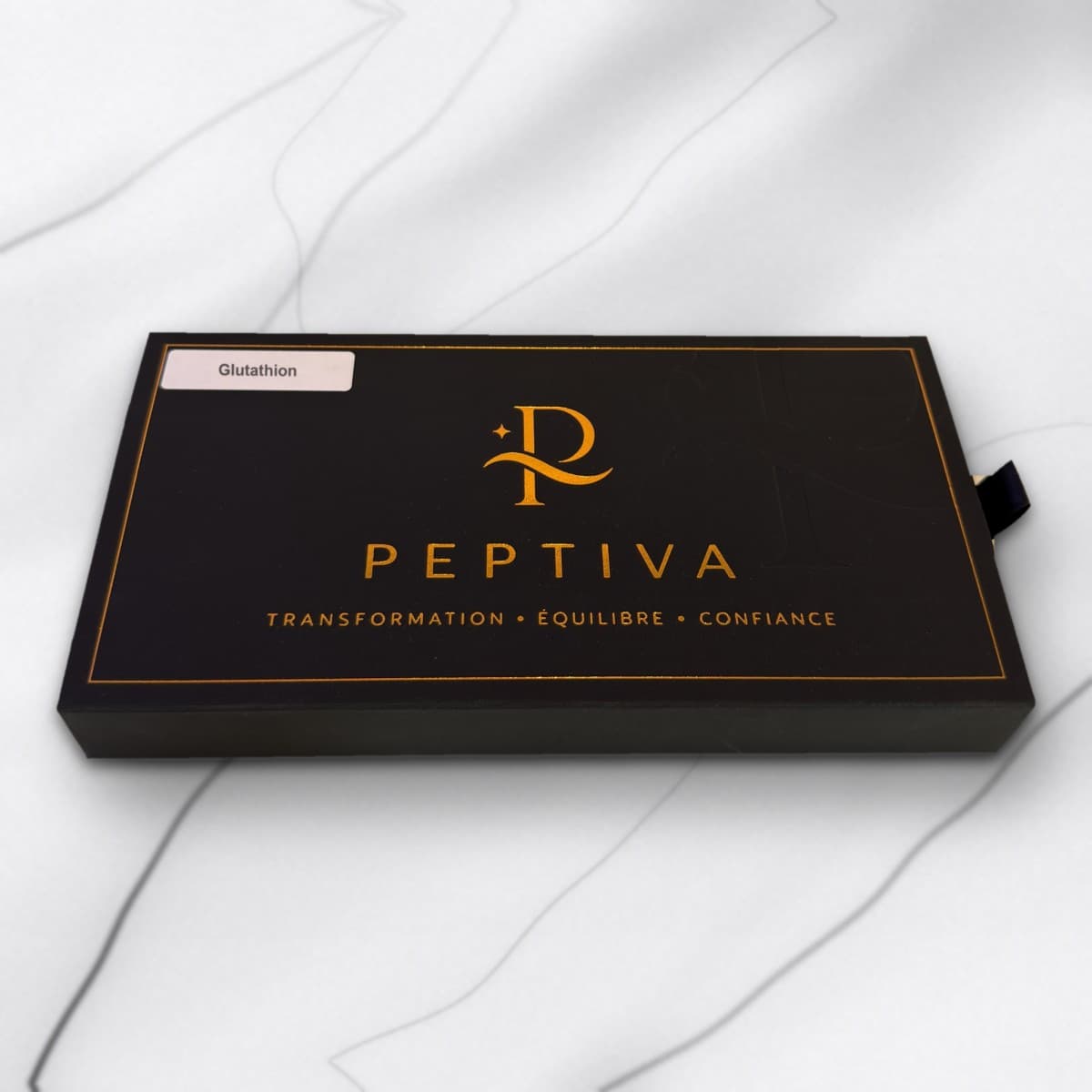
Glutathione is the most abundant antioxidant in human cells: a tripeptide (glutamate, cysteine, glycine) that every cell makes.
In a placebo-controlled trial in 54 adults, oral glutathione raised its stores by 30 to 35% in the blood and by up to 260% in some cells, along with the activity of NK immune cells (Richie, 2015).
It is studied for complexion: it curbs tyrosinase, the enzyme that makes melanin, and a placebo-controlled trial measured a lighter complexion on sun-exposed areas (Arjinpathana, 2012).
- Half-life
- Short in the blood; glutathione is taken up, broken down into its amino acids, and resynthesized inside cells.
- Route
- Subcutaneous injection; also available in oral forms (liposomal) and as precursors.
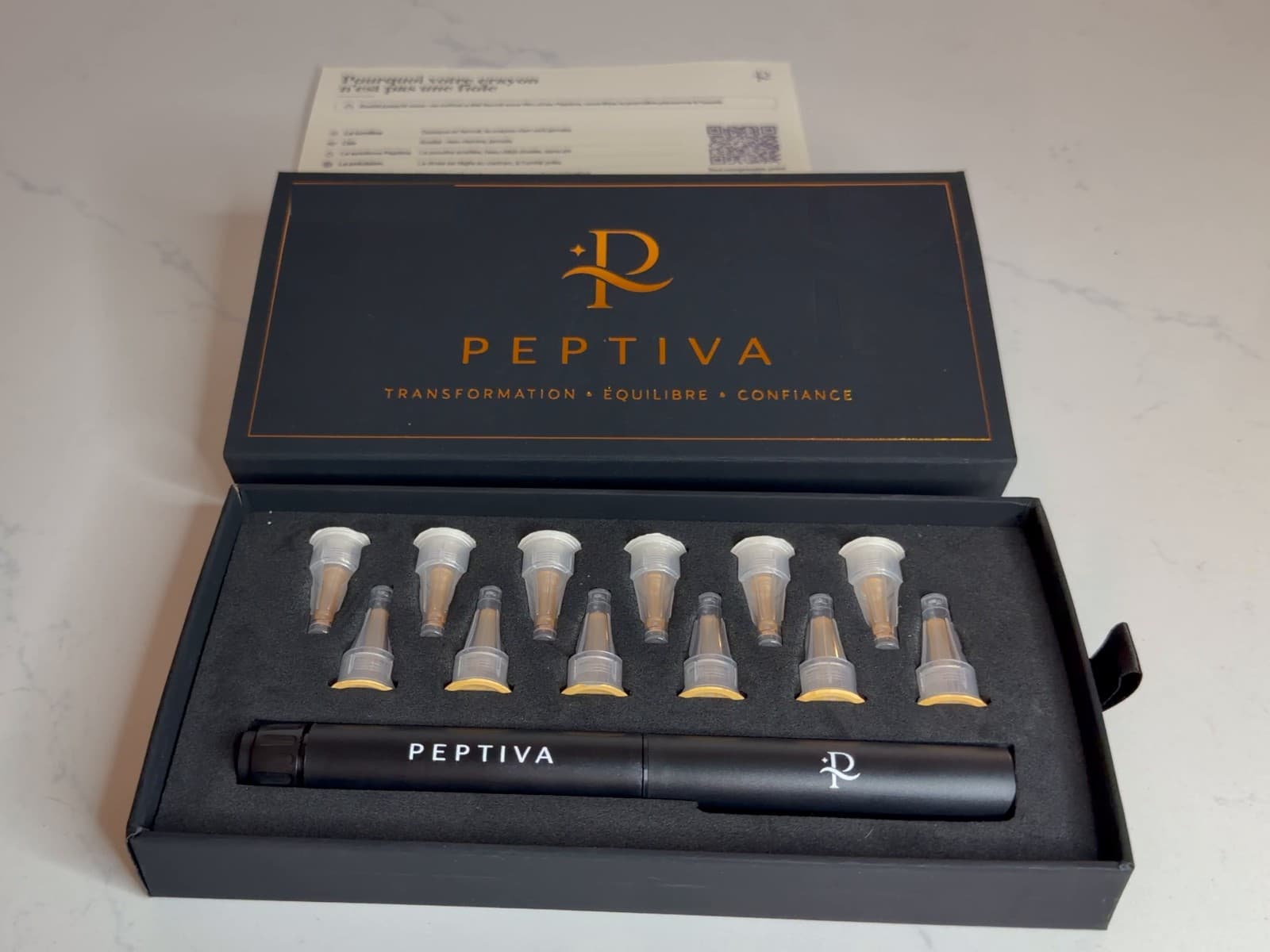
Technical sheet
- Family
- Major antioxidant tripeptide, produced by every cell
- Half-life
- Short in the blood; glutathione is taken up, broken down into its amino acids, and resynthesized inside cells.
- Route
- Subcutaneous injection; also available in oral forms (liposomal) and as precursors.
- Time to effect
- Recovery and energy in one to two weeks; effects on the complexion after several weeks of consistent use.
- Level of evidence
- Laboratory research : In humans: mostly taken by mouth; by injection under the skin, data are limited.
Chemical identity
- Chemical name
- L-Glutathion
- Form
- Reduced form (GSH)
- CAS No.
- 70-18-8
Neutralizing free radicals
This tripeptide (glutamate, cysteine, glycine) neutralizes free radicals through its sulfur-containing group (cysteine), then regenerates itself thanks to NADPH. It thereby protects membranes, proteins, and DNA, and recycles vitamins C and E: hence its nickname of “master antioxidant.”
Liver detoxification
The liver uses it to “tag” substances that need to be eliminated (medications, alcohol, pollutants, metals): this is phase II detoxification. Its precursor, N-acetylcysteine, serves as the hospital antidote in an acetaminophen overdose, which depletes this supply.
Tyrosinase and melanin
Glutathione slows tyrosinase, the enzyme that manufactures melanin, and steers its production toward the light form (pheomelanin) rather than the dark one (eumelanin). This is the mechanism behind its effect on the complexion.
Studied effects and observed timelines
Recovery after exercise, alcohol or stress: it neutralizes free radicals and is regenerated by NADPH
One to two weeks
Lighter complexion: measured against placebo on sun-exposed areas (Arjinpathana, 2012)
Several weeks
Liver detoxification: the liver uses it to clear alcohol, medications and pollutants, and its precursor is the antidote for acetaminophen overdose
Weeks
What you may feel
- Reaction at the injection site.
- Rarely, a skin rash or digestive discomfort.
- Brightening of the complexion more pronounced than desired in very fair skin, reversible.
Stop and consult if
- Difficulty breathing or wheezing (particular caution with asthma).
- A widespread skin rash.
When to abstain
- Poorly controlled asthma.
- Pregnancy or breastfeeding.
- Cancer under treatment (antioxidants can interfere with certain chemotherapies).
- Minors.
The effects to watch for, and how to reduce them
This sheet is educational. It replaces neither a diagnosis nor follow-up: for any medical condition, pregnancy, breastfeeding or current medication, talk to a health professional.
Glutathione is one of the most studied molecules in biology.
In humans, trials mostly by mouth have shown that supplementation raises the body's reserves and improves markers of antioxidant and immune defence, and dermatological trials have documented the effect on the complexion, a moderate brightening.
Precursors (N-acetylcysteine) and oral forms are the most studied; for injection under the skin, route-specific data remain limited.
2015 · Richie et al., European Journal of Nutrition
Randomized placebo-controlled trial in healthy adults, oral glutathione for six months
Increased glutathione reserves in the blood and cells, reduced oxidative stress, and improved activity of NK immune cells.
2018 · Sinha et al., European Journal of Clinical Nutrition
Human volunteers, liposomal glutathione
Increased glutathione reserves and improved immune markers within a few weeks.
2012 · Arjinpathana and Asawanonda, Journal of Dermatological Treatment
Randomized placebo-controlled trial in adults, oral glutathione, complexion measurement
Measurable brightening of the complexion on sun-exposed areas, with no notable adverse effect.
Injection, capsule, or precursor?
Injection delivers glutathione without going through digestion, for a faster effect. Precursors (N-acetylcysteine) and oral forms suit long-term use. The protocol provided with the product spells out the details.
Does it whiten the skin?
It steers melanin production toward its light form (pheomelanin); in a placebo-controlled trial, the lightening measured was on sun-exposed areas. The effect is reversible. Sun protection remains the first measure for an even complexion.
Why do people run low on glutathione?
Age, alcohol, lack of sleep, pollutants, and infections wear it down faster than the body can replenish it. A sulfur-rich diet (cruciferous vegetables, garlic, eggs) and sleep support synthesis; direct supplementation adds to that.
Glossary (5)
- Oxidative stress
- An imbalance between free-radical production and the body's ability to neutralize them.
- Phase II detoxification
- The stage where the liver makes toxins soluble so they can be eliminated, notably by binding them to glutathione.
- Tyrosinase
- The enzyme that triggers melanin production in the skin.
- N-acetylcysteine
- A glutathione precursor, used as a supplement and as a hospital antidote.
- NK cells
- The immune system's “natural killer” cells, the first line of defence against abnormal cells.